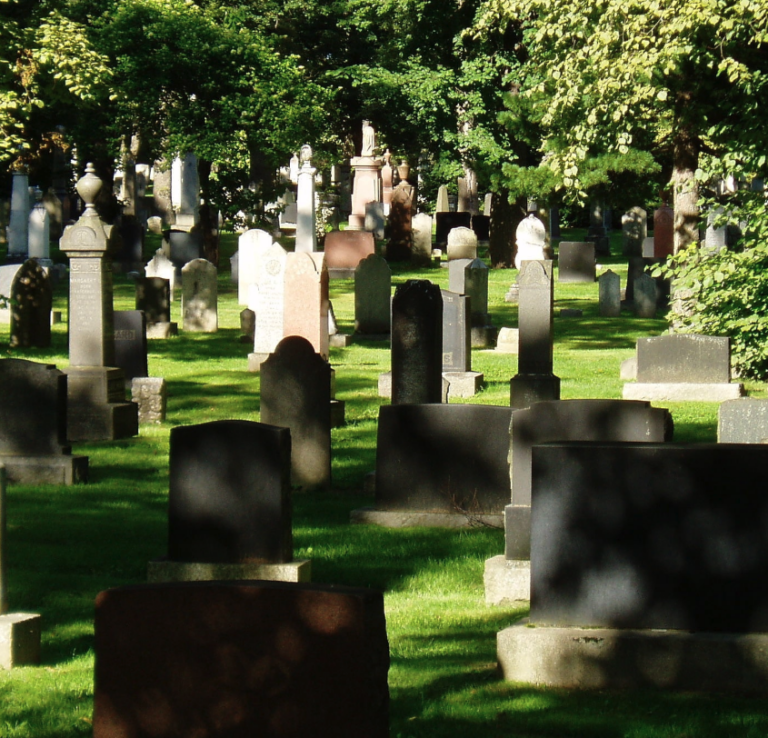
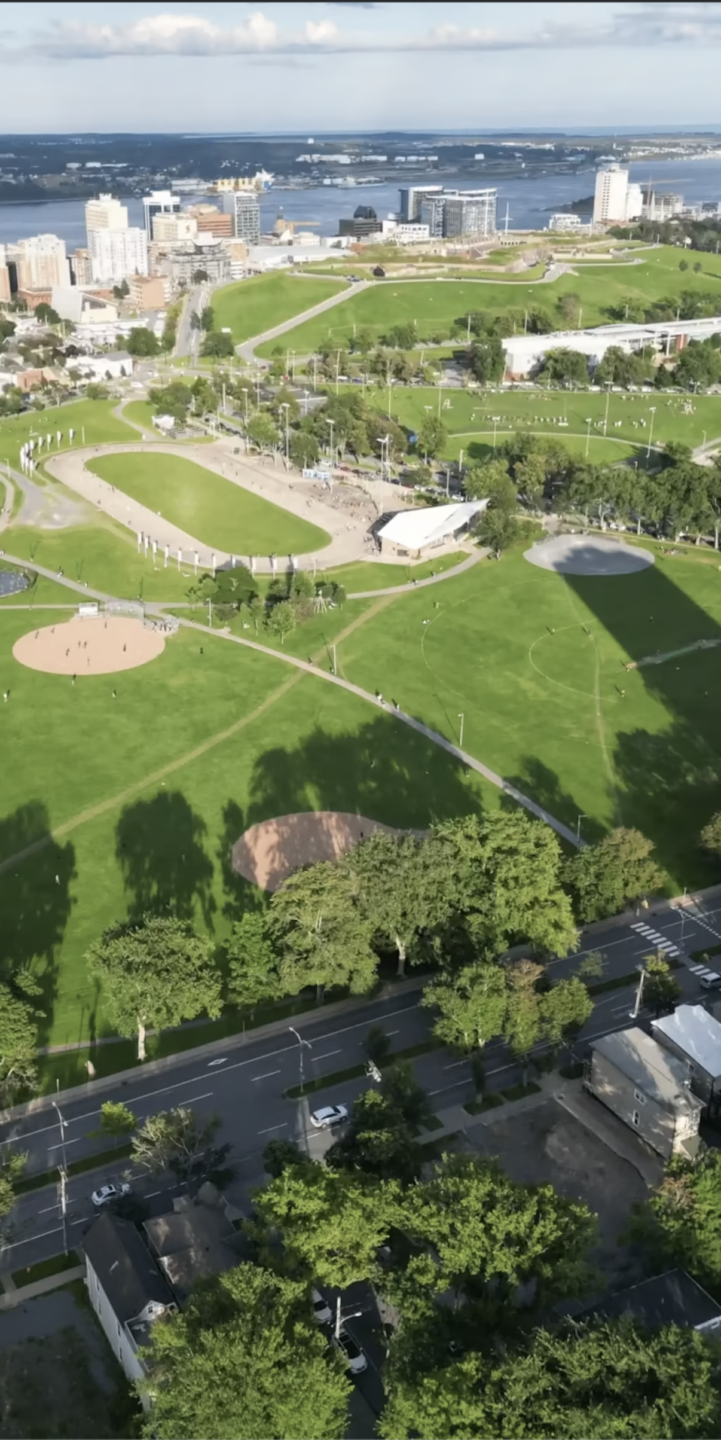
Camp Hill Cemetery was originally called Windmill Hill and was part of the South Common. It is currently bordered by Robie, Jubilee and Summer Streets.
The land was acquired by military authorities in 1839 and the Cemetery was established in 1844 to replace the Old Burying Ground at Barrington Street and Spring Garden Road. Part of the original Camp Hill land was used for a military hospital and Camp Hill Hospital continues to care for veterans today.
Camp Hill became the final resting place for many well-known Nova Scotians, including:
• Joseph Howe: the 4th Premier of the Colony of Nova Scotia • Robert Stanfield: the 17th Premier of the Province of Nova Scotia and leader of the federal Progressive Conservative Party • William Henry and Jonathan McCully: two Fathers of Confederation • Abraham Gesner: the inventor of kerosene • Hugh MacLennan: a novelist • Alexander Keith: a brewer and politician • Viola Desmond: a civil rights activist who appears on the Canadian $10 bill
Camp Hill Cemetery is also the final resting place of many military personnel.
In death as in life, segregation followed Black Nova Scotians. Officials allowed for the burial of Black Canadians in a segregated section of the cemetery. Approximately 200 people were buried in what was known as the “coloured section” of Camp Hill.
Camp Hill Cemetery is a lovely place to walk and bird watch, with bird watching tours organized through the Public Gardens. Dogs are not allowed in the cemetery.